Just Found Out Your Child Has Dyslexia? Here’s the Advice Your Future Self Wishes You Knew

Updated: Jan 16
What if, in the middle of your worry and questions, you could sit down with the wisest version of yourself, the 85-year-old you who has already lived the whole story with your child?
Someone who has seen the struggles, the victories, the tears, the breakthroughs, and knows what actually matters.

Recently I listened to a powerful interview with Dr. Karl Pillemer on Mel Robbins’ podcast. He is the director of the Cornell Legacy Project and spent 20 years gathering life advice from more than 1,200 people in their 80s, 90s, and even 100s. Their insights left a lasting impression on me because so many of them apply beautifully to the moment a parent first hears the word dyslexia.
These elders have lived long, examined lives. Their wisdom is steadying, clarifying, and deeply human. And when you apply their lessons to parenting a child with dyslexia, something surprising happens:
You begin to breathe again.
You begin to see that this diagnosis is not an ending; it is a beginning.
Here’s what their research-backed life lessons can teach us in this moment.
Stop Waiting to Take Action
The elders said the biggest mistake people make is waiting too long to do what matters. They wait to travel, wait to take chances, and wait to make a change.
When it comes to dyslexia, waiting is one of the only things that truly hurts.
Don’t wait for the perfect school year. Don’t wait for them to “catch up” on their own. Don’t wait for confidence to magically appear.
Start exploring structured literacy options. Start small changes at home. Start moving in the direction of support.
Action brings hope. Waiting brings worry.
Focus on What Is Working
One of the themes elders emphasized is noticing what’s strong instead of obsessing over what’s broken.
When parents first hear “dyslexia,” they often look at the gap. But your child comes with so much strength:
creativity
problem-solving ability
verbal expression
curiosity
resilience
Those strengths are not side notes; they are the foundation of who your child is becoming.
Shift your gaze from what’s missing to what’s true.
Treat the Ordinary Moments as Precious
The elders reminded us that the everyday moments with the people we love are the true treasure.
This diagnosis can actually deepen your bond with your child:
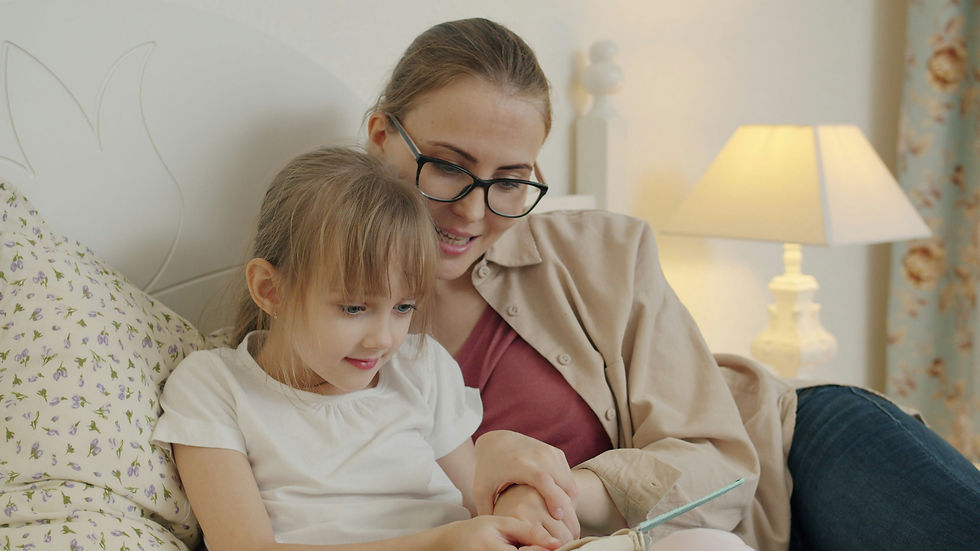
sitting beside them during reading practice
celebrating small victories
reminding them they’re not alone
being their calm when the work is hard
These ordinary moments will become part of their healing story and yours.
Happiness Is a Choice, Not a Condition
An older woman told Dr. Pillemer, “Happiness is a choice, not a condition.” People with fewer years ahead choose to focus on what matters.
Parents can, too.
You don’t choose dyslexia.
But you can choose the story you tell about it:
“This is manageable.”
“We have tools that work.”
“You’re capable, and I’m with you.”
Your perspective becomes their anchor.
Don’t Waste Your Energy on Worry
The #1 regret elders shared was this:
“I wish I hadn’t worried so much. Most of what I feared never happened.”
This is stunningly relevant to dyslexia.
Will my child read?
Will they fall behind forever?
Will this limit their future?
Here’s the truth: With evidence-based instruction and consistent support, children with dyslexia can and do become confident, successful readers.
Worry doesn’t move your child forward. Action does. Belief does. Connection does.
Invest in Relationships Above Everything
The second biggest regret elders had at the end of life was not investing more in relationships.
In the dyslexia journey, your relationship with your child matters more than any reading score.
Your patience, encouragement, and calm presence shape their self-esteem far more than fluency passages ever could.
Protect the relationship. The reading will come.
Don’t Parent Based on What Others Think
Elders pleaded with younger adults to stop living for approval.
As a parent of a struggling reader, that means:
Let go of comparison.
Release the pressure to keep up.
Ignore uninformed comments.
Stop apologizing for your child’s pace.
Focus on what is right for them rather than what seems “typical.”
Choose Your Partners Carefully
The elders said one of the most important life choices is choosing the right partner.
For parents, this translates to choosing your team wisely:
a teacher who understands structured literacy
a specialist who uses evidence-based intervention
an advocate who sees your child’s worth
You don’t need the trendiest program.
You need the right guide.
Say the Important Things Now
One of the heaviest late-life regrets is leaving things unsaid.
Say it now:
“I love you.”
“I’m proud of your effort.”
“You are smart and capable.”
“We’re in this together.”
These words shape your child’s internal voice both now and in the future.
Let Go of the Past
Elders describe bitterness and regret as thieves of joy.
Let go of:
guilt for not noticing sooner
frustration with past teachers
the old story you thought your child’s education would follow
comparing them to siblings or peers
Releasing the past frees you to support your child’s journey today.
Choose Gratitude Daily
Gratitude did not come naturally to many elders; they practiced it.
Parents can practice it, too:
“I’m grateful we know what’s going on.”
“I’m grateful for progress, even slow progress.”
“I’m grateful for tools that work.”
Gratitude shifts fear into possibility.
Live Like Life Is Short — Because It Is
The elders’ final message is powerful:
Life goes fast.
You don’t need to wait for life to feel perfect to embrace what matters.
Enjoy your child now. Let the journey soften you. Even while focusing on reading, make space for play, joy, connection, and wonder.
Your child doesn’t need a perfect parent. They need a present one.
A Final Word
Dyslexia does not define a child.
It gives you a clearer map for helping them grow with confidence and understanding.
The wisdom of those who have lived long and well points us back to what truly matters:
Love with intention.
Take steps early.
Say the meaningful words.
Trade fear for courage.
Invest your energy where it truly makes a difference.
And keep honoring this child because of who they are and who they are becoming.
If you’re feeling uncertain about the next steps or want guidance on how to support your child, you don’t have to navigate it alone.
Contact me for a free consultation. I’m here to listen, answer your questions, and help you explore the support your child needs.
About the Author

Hi, I’m Heidi. I am a licensed Reading Specialist and a Wilson Dyslexia Practitioner with over 20 years of experience in education. Since 2022, I have been supporting children with dyslexia and spelling challenges both online and in person through private practice, working with students in grades 2–12 in the United States and with international school students around the world.
My goal is to make this journey less overwhelming and more empowering for families, helping children gain confidence and success in reading and spelling.
Connect with Heidi at Successfuldyslexiatutoring.com or on Linked in.
References
Robbins, M. (Host). (2025, November 20). This One Study Will Change How You Think About Your Entire Life: The Cornell Legacy Project [Audio podcast episode]. The Mel Robbins Podcast. https://www.melrobbins.com/episode/episode-344/